Loading
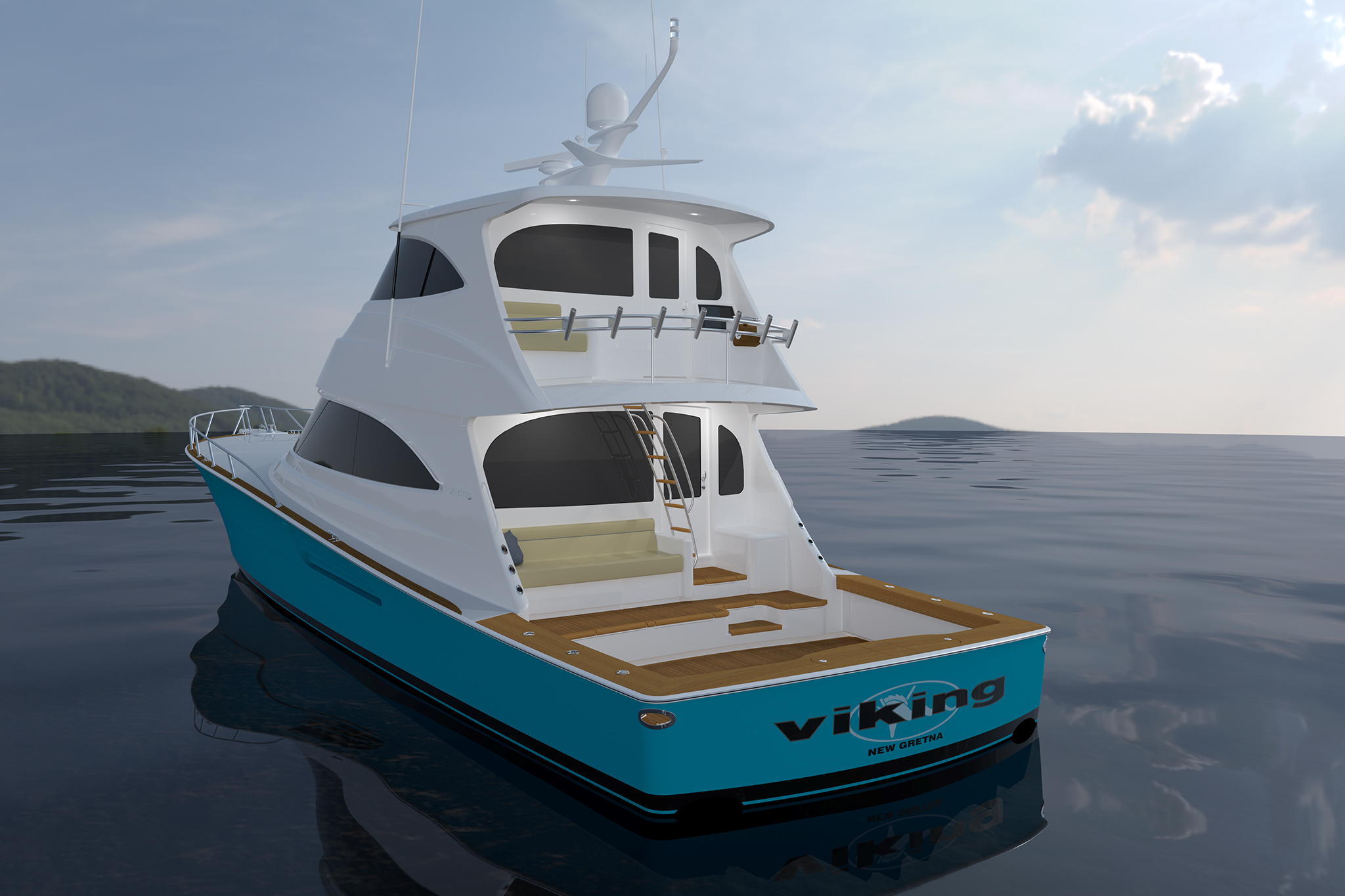
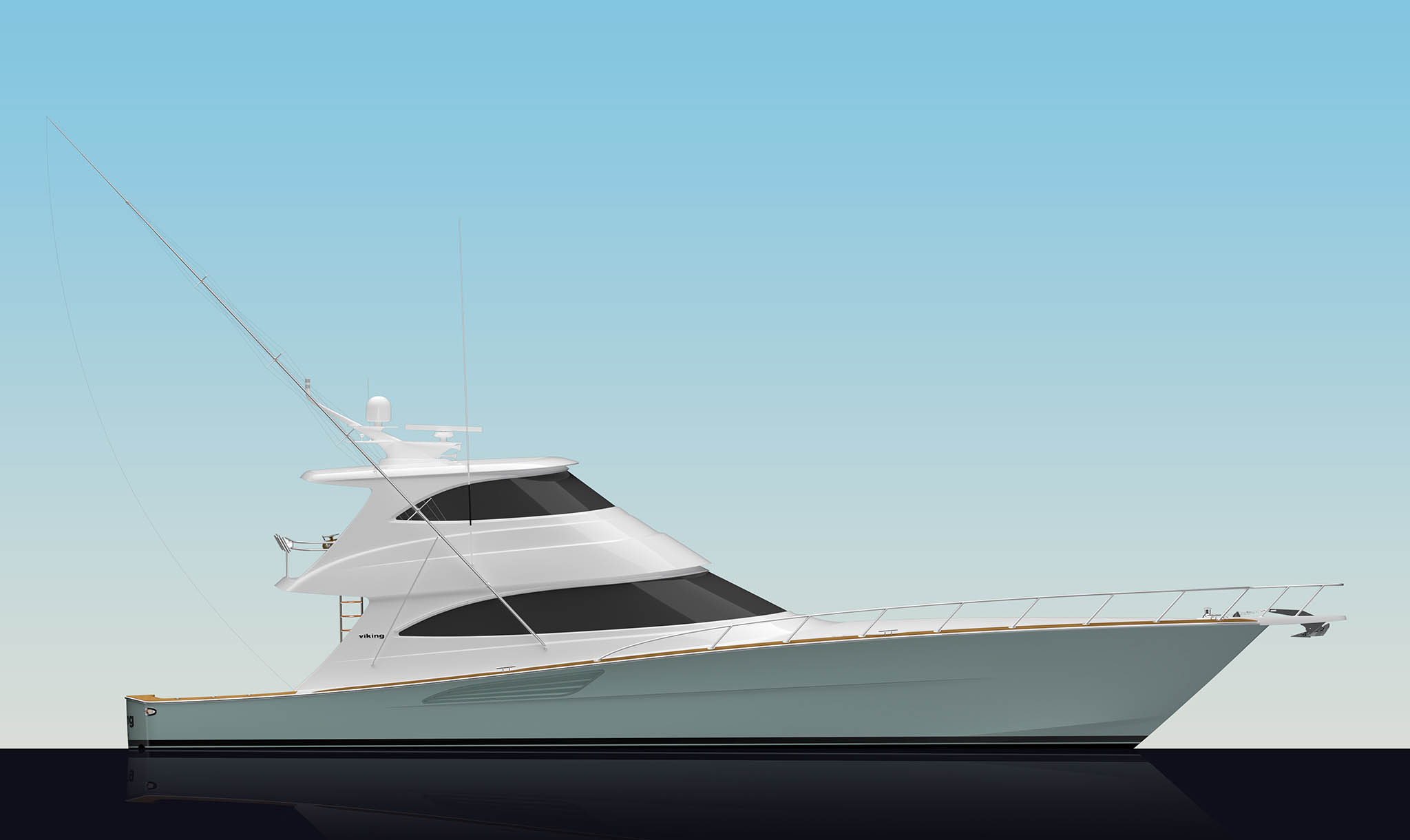
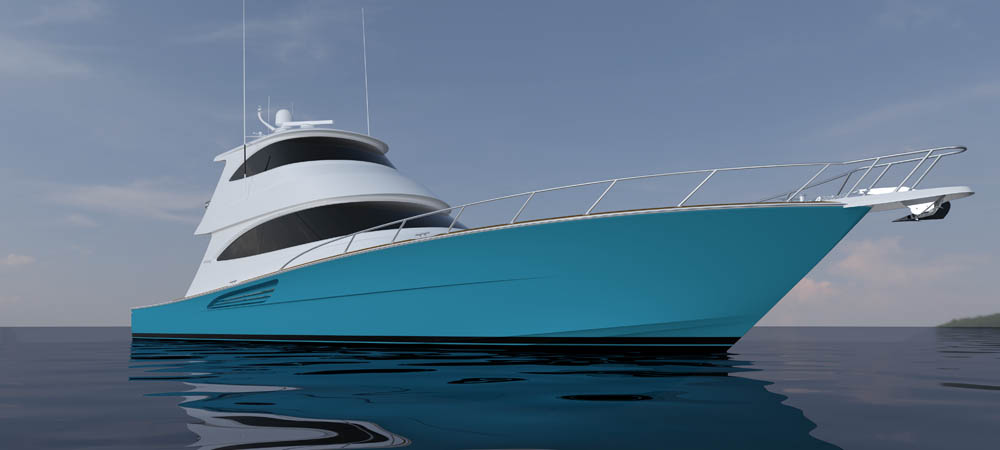

46 BF - Built to Fish
This boat is fully equipped for any type of game fishing and will attract serious anglers dedicated to their craft.

50 BF - Ready to Fish
The newest Billfish does it all – delivering convertible-level comfort, maximum versatility and Viking engineering, performance and build quality.

50 C - Proud Lineage
The Viking Yacht Company proudly announces the debut of the all-new 50 Convertible – a luxurious, high-performance sportfishing yacht that continues Viking’s legendary pursuit of excellence.

50 O - Serious Sportfishing Capability
The Viking Yacht Company proudly introduces the 50 Open Express, a bold new addition to its lineup that deliv-ers style, strength and innovation.

50 SC - Unmatched Versatility
The Viking Yacht Company continues to redefine excellence in the mid-size sportfishing and cruising market with the launch of the 50 Sport Coupe (SC) and 50 Sport Tower (ST).

50 ST - Unmatched Versatility
The Viking Yacht Company continues to redefine excellence in the mid-size sportfishing and cruising market with the launch of the 50 Sport Coupe (SC) and 50 Sport Tower (ST).

54 C - New Milestones of Innovation
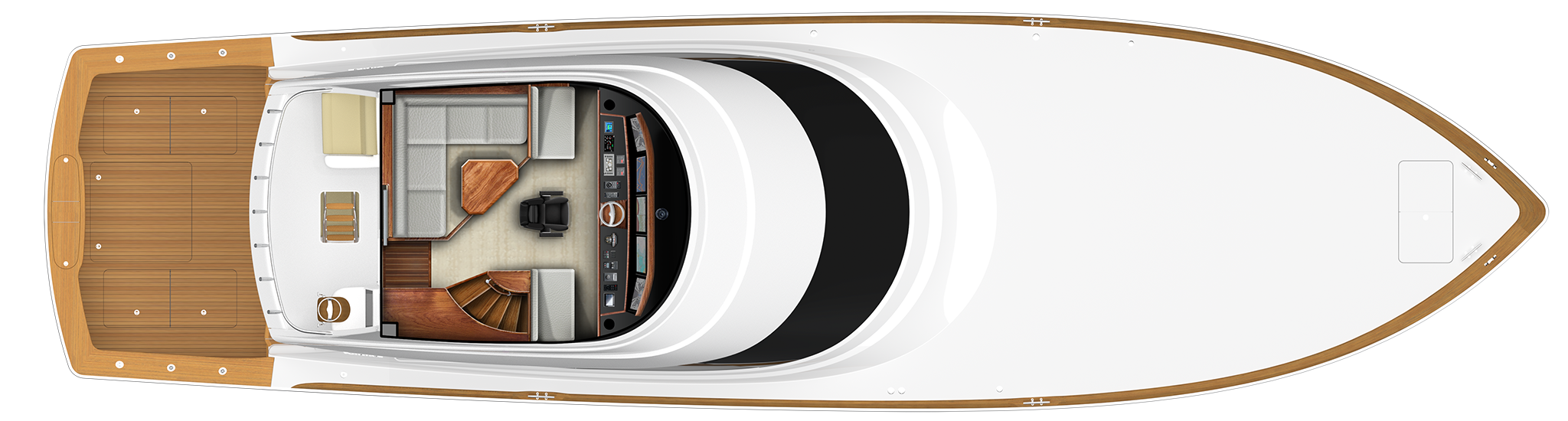
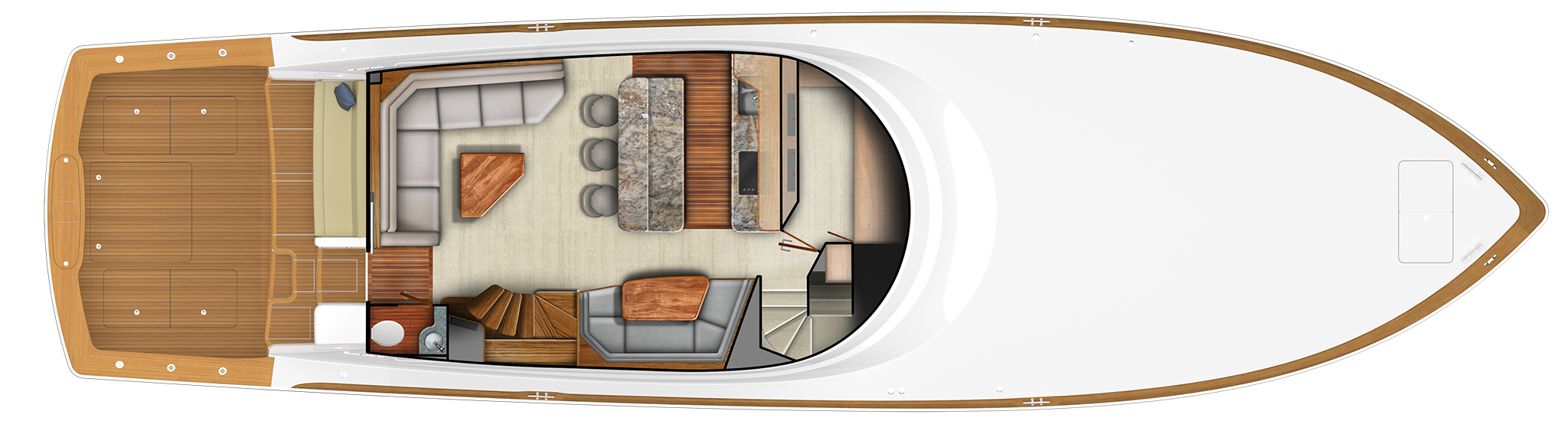
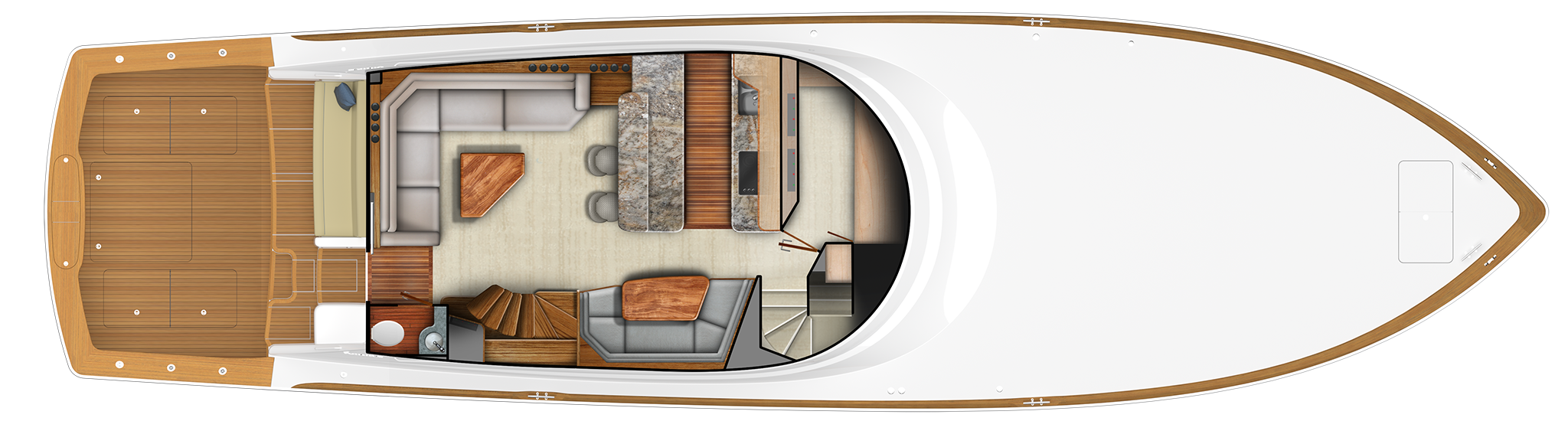
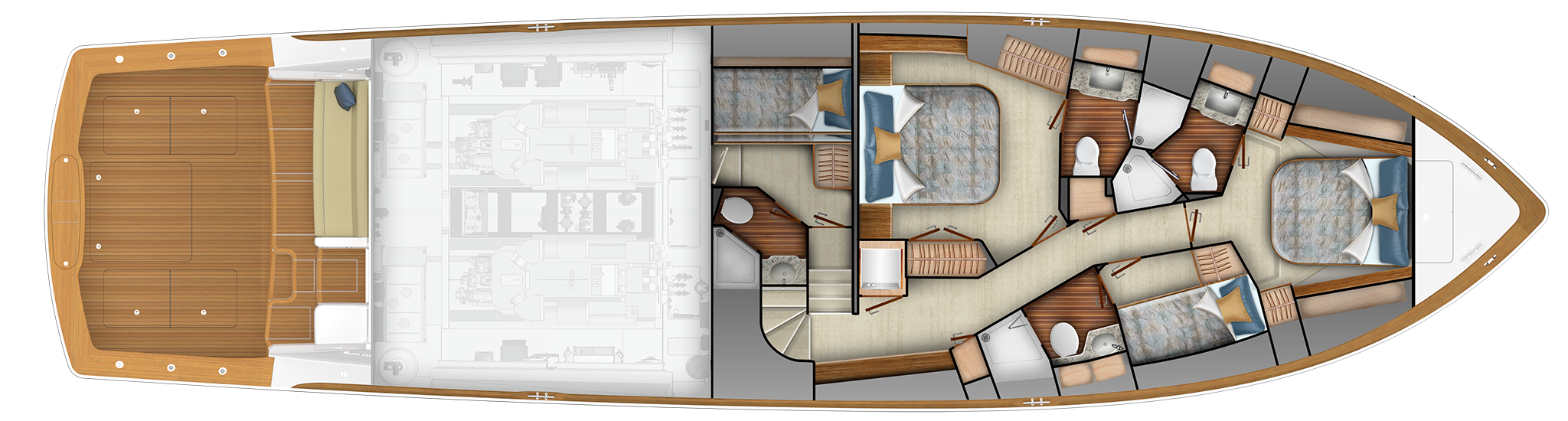
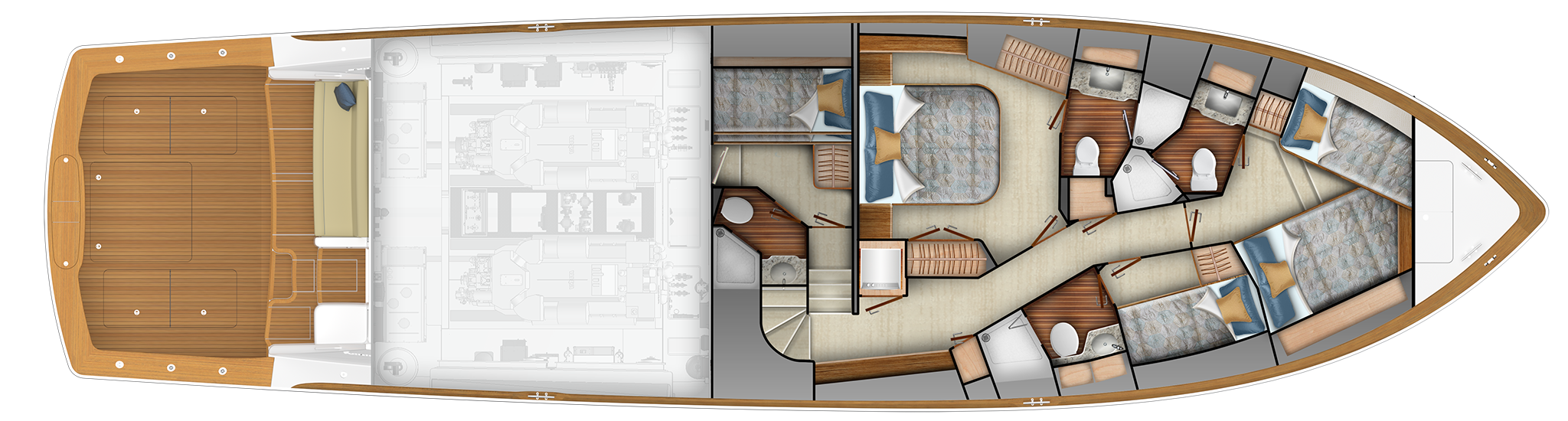
The New Jersey boatbuilding powerhouse has reaffirmed its domination of the mid-size convertible with the new Viking 54. The three-stateroom, two-head open bridge yacht pushes the owner/operator convertible to the highest levels of engineering, performance, accommodations and sportfishing capabilities.

54 O - The Fleet is Complete
Viking offers the largest and most diverse fleet in the industry, so it's no surprise that the New Jersey boatbuilding powerhouse has announced three new express versions of its recently introduced 54 sportfishing yacht.

54 ST - The Fleet is Complete
Viking offers the largest and most diverse fleet in the industry, so it's no surprise that the New Jersey boatbuilding powerhouse has announced three new express versions of its recently introduced 54 sportfishing yacht.

54 SC - The Fleet is Complete
Viking offers the largest and most diverse fleet in the industry, so it's no surprise that the New Jersey boatbuilding powerhouse has announced three new express versions of its recently introduced 54 sportfishing yacht.

58 C - An Evolution of Excellence
Since its debut, the second-generation 58 Convertible has received a plethora of five-star reviews from journalists, Viking dealers and captains who've raved about her bone-dry ride, nimble handling, large cockpit, free-flowing spacious interior and a host of other attributes.

64 C - Ground-Breaking Champion
This four-stateroom, three-head fishing battlewagon is poised to become another best-in-class superstar on the tournament circuit and the new standard in luxury, accommodations and comfort.

64 EB - Ground-Breaking Champion
This four-stateroom, three-head fishing battlewagon is poised to become another best-in-class superstar on the tournament circuit and the new standard in luxury, accommodations and comfort.

64 SC - Bold Evolution
Viking's newest Sport Series model delivers unmatched performance, sleek style and versatile design – with the option of a custom tower for ultimate fishability.

64 ST - Bold Evolution
Viking's newest Sport Series model delivers unmatched performance, sleek style and versatile design – with the option of a custom tower for ultimate fishability.

68 C - Convertible Perfection
Viking continues its dominance of the sportfishing yacht industry with the Viking 68, a four-stateroom blue-water convertible with unmatched performance, bulletproof construction, luxury interior accommodations and advanced propulsion and boat-control technologies.

68 EB - A Class Champion
For decades, Viking has led the industry in the design and development of the enclosed bridge, and our new 68 EB serves as the latest example of this expertise.
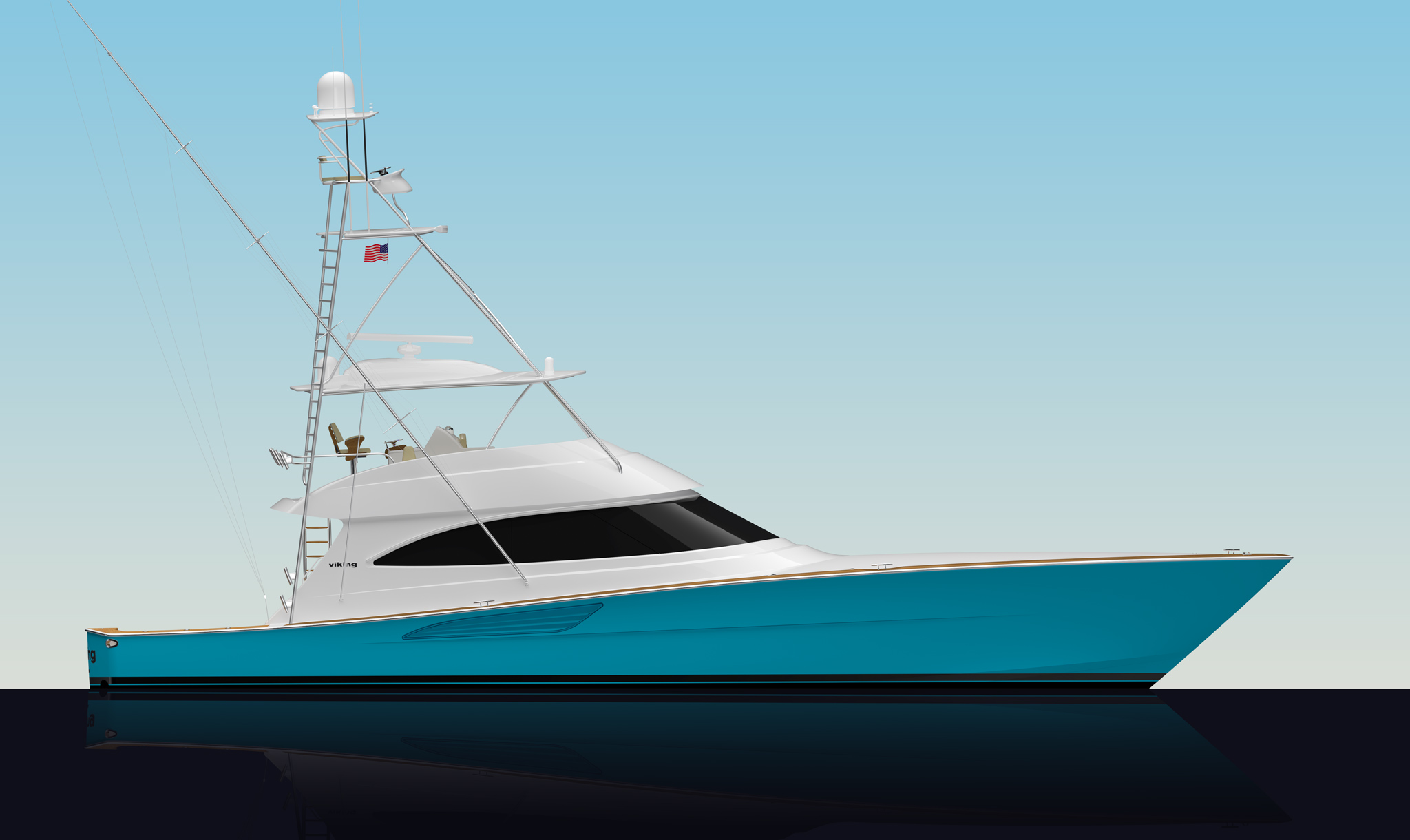
70 C - Bluewater Battlewagon
This four-stateroom, five-head bluewater battlewagon marks the next evolution in a lineage of tournament-winning boats defined by performance, craftsmanship and fishability.
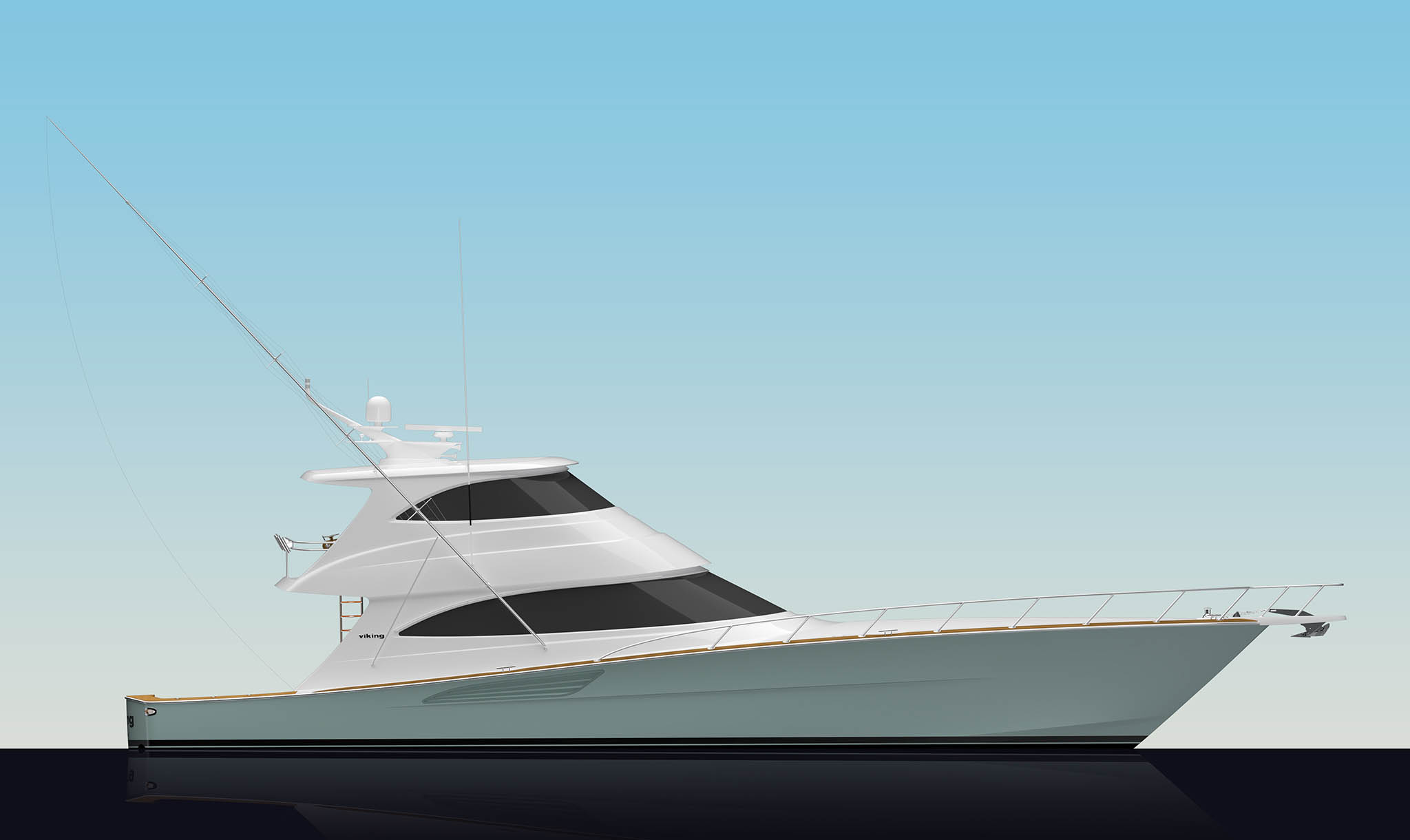
70 EB - Commanding in Comfort
The second-generation Viking 70 was introduced at the Palm Beach International Boat Show. This four-stateroom, five-head bluewater battlewagon marks the next evolution in a lineage of tournament-winning boats defined by performance, craftsmanship and fishability.
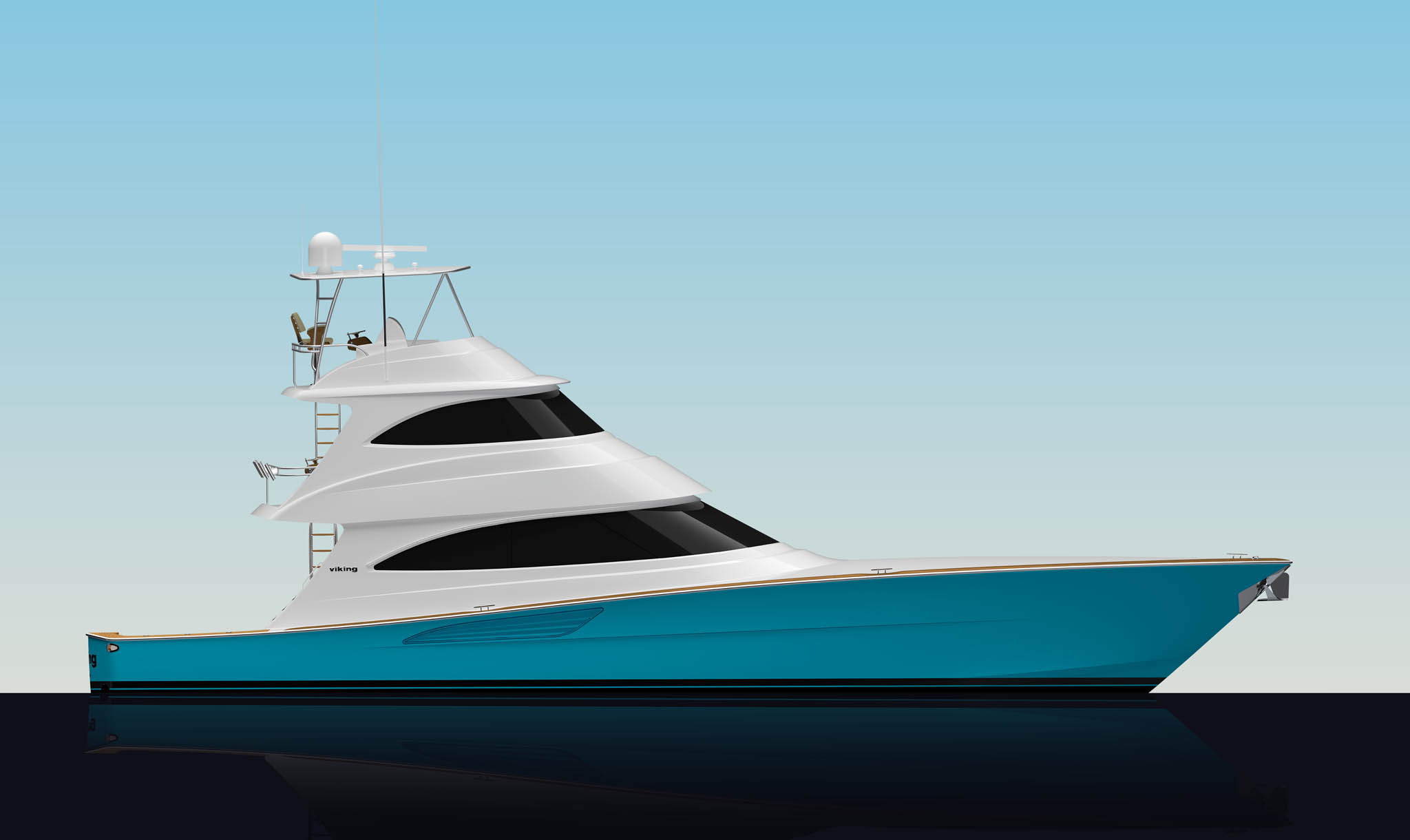
70 SB - Sky’s the Limit
For owners who want the best of both worlds, the new Viking 70 is also available in a Sky Bridge model – combining the open-air visibility and command of a bridge boat with the comfort and protection of an enclosed bridge below.

74 C - Born to Run
A showcase of more than 60 years of boatbuilding experience, the Viking 74 will reign as the leading luxury sportfishing yacht between 70 and 80 feet.

74 EB - Protection with Purpose
The 74 is available with an enclosed bridge or a Sky Bridge configuration – both designed to enhance comfort, control and versatility.

74 SB - From the Top
The 74 is available with an enclosed bridge or a Sky Bridge configuration – both designed to enhance comfort, control and versatility.

82 C - Ready to Dominate
Raising the bar again, the Viking Yacht Company is proud to announce its latest large sportfishing yacht - the 82 Convertible. The five-stateroom, six-head world-traveler builds upon the tremendous success of the Viking 80, pushing the genre to new heights of excellence.

82 EB - All-Weather Command
Our enclosed bridge (EB) model offers a totally climate-controlled helm area and a luxurious second salon. Viking has been building enclosed bridge convertibles for 30 years, and this experience is unmatched in the industry, with constant evolution in design, ergonomics and comfort.

82 SB - Above and Beyond
If you like the salon-like features of an enclosed bridge but also want to run the boat from an open bridge occasionally, the 82’s sky bridge model is for you, providing the best of both worlds.

90 C - Leading the Industry
The evolution of the Viking 90 is an excellent example of how Viking overcomes challenges to continue building a better boat every day. The Viking 92 was a tremendous success, proving that a sportfishing yacht of its size could win consistently on the tournament trail.

90 EB - Leading the Industry
The evolution of the Viking 90 is an excellent example of how Viking overcomes challenges to continue building a better boat every day. The Viking 92 was a tremendous success, proving that a sportfishing yacht of its size could win consistently on the tournament trail.

90 SB - Leading the Industry
The evolution of the Viking 90 is an excellent example of how Viking overcomes challenges to continue building a better boat every day. The Viking 92 was a tremendous success, proving that a sportfishing yacht of its size could win consistently on the tournament trail.